
Fire Sprinkler Systems for Restaurants
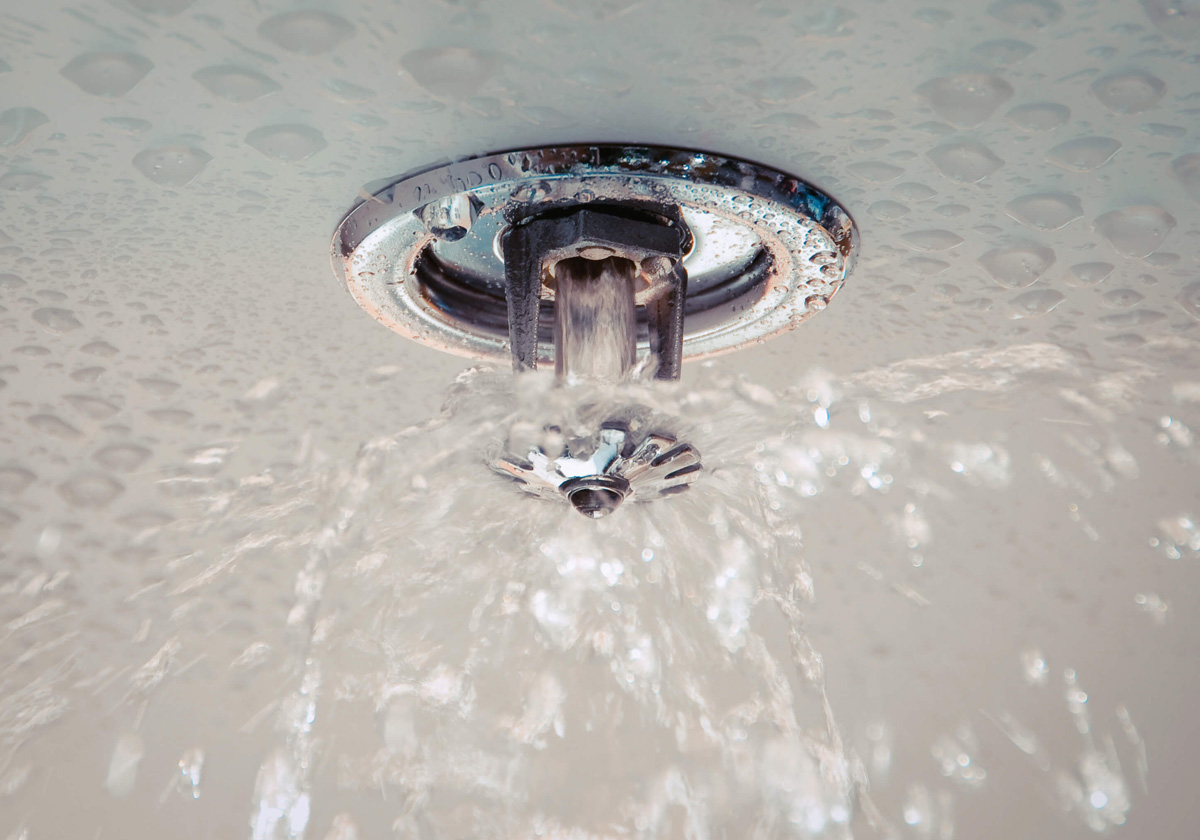 You’ve worked hard protecting your restaurant from alcohol and cyber security liabilities. But what about your sprinkler systems? Do you have them installed, and if you do, are they up to the codes set by the National Fire Protection Association (NFPA)?
A few years ago, a couple was cooking dinner when flames from a frying pan activated the sprinkler system with too much anti-freeze in the pipes. This caused a violent explosion that left one woman a widow. While she survived, 40 percent of her body was burned. While the incident happened inside a residential home; the take-home message can be readily applied anywhere. If you are found liable for causing bodily harm to an employee, you can be paying their medical bills, workers’ compensation and court-ordered restitution for many years to come.
If that example isn’t enough to tug on your purse strings, read more about a deadly fire that engulfed Jamie’s Pub and Gannett Grill in Scituate this past November. $1,000,000 dollars in damages and no sprinkler system was installed. Why? They were grandfathered into the many modern regulations that govern newer restaurants of today.
Are My Fire Sprinklers Up To Code?
The NFPA has a list of all codes and standards on their website. In particular, The NFPA 13, Standard for the Installation of Sprinkler Systems is widely consulted for commercial spaces.
Most restaurant owners choose to hire a contractor that specializes in fire extinguisher installation, certification and repair. They know all the codes backwards and forwards, allowing you to focus on running your restaurant.
Employees and Fire Sprinkler Systems
As an owner, it’s important your employees are just as vigilant about fire safety as you are! Sprinklers start to go off when the temperature reaches between 155° and 165°F.
- Don’t throw water on a grease fire. It will sink to the bottom and flaming oil will spread everywhere. Douse it with salt or baking soda instead.
- Clean your equipment thoroughly. Buildups over time can cause air-flow restriction in the exhaust hood leading to fires.
- Clothing and chemicals don’t mix. Heat from towels and degreaser creates chemical combustion.
We hope this information was helpful for you. At H&K Insurance, Brian Kilcoyne, our restaurant guru, likes to think of himself as a consultant as opposed to a ‘sales guy.’ Give him a call at 617-612-6515 to speak with him about how you can improve your current hospitality insurance policy today!
